
Complex Trauma & PTSD Therapy in Katy, TX
What is Complex Trauma?
Trauma therapy helps your nervous system finish processing an experience it got stuck on. At Here Comes The Sun Counseling in Katy, Texas, we treat both single-incident PTSD and complex trauma — the kind that builds up over years of relationships rather than arriving in one identifiable event. Our counselors are EMDR-trained, and Chelsea Rhoden, MA, LPC is a Certified Clinical Trauma Professional.
Complex trauma, sometimes called C-PTSD, results from repeated or prolonged harm within relationships — usually beginning in childhood. Ongoing emotional neglect, a caregiver whose moods were unpredictable, chronic invalidation, or years of being told that what you were experiencing wasn’t happening.
It looks different from single-incident PTSD. Where classic PTSD centers on re-experiencing a specific event — flashbacks, nightmares, avoiding reminders — complex trauma tends to show up as:
- Difficulty regulating emotion; feeling either flooded or completely shut down
- A persistently harsh view of yourself that feels like fact rather than symptom
- The same painful patterns repeating in close relationships
- Chronic hypervigilance — scanning rooms, reading faces, bracing
- Dissociation, or the sense of watching your life from slightly outside it
- Difficulty trusting your own perception of what happened
Many people with complex trauma don’t think of themselves as trauma survivors. Nothing happened that they can point to. There was no accident, no assault, no disaster. There was a childhood where the emotional weather changed without warning, and a nervous system that learned it could never quite rest.
“Big T” and “little t” Trauma
A distinction worth understanding, because it’s often what keeps people from seeking help.
Big T trauma is what most people picture: assault, serious accident, natural disaster, combat, sudden loss. Events that would be recognized as traumatic by anyone.
Little t trauma is the accumulation. Divorce. Ongoing financial instability. A parent’s chronic criticism. Being the child who had to be fine. Repeated small experiences of not being safe or not mattering, none of which would register individually.
Little t trauma is not lesser trauma. In terms of long-term effect on the nervous system, accumulated relational trauma is often more difficult to treat than a single overwhelming event — because it isn’t one memory to process, it’s a pattern laid down across a childhood.
If you’ve been discounting your own experience because it doesn’t seem bad enough to count, that’s worth bringing in.
Symptoms of Unresolved Trauma
In the days and weeks after a traumatic event, it’s common to experience nightmares, difficulty sleeping, confusion or difficulty concentrating, emotional numbness, irritability, and physical symptoms like nausea or a racing heart. This is a normal response to an abnormal experience, and for many people it settles on its own.
When trauma remains unprocessed, symptoms tend to persist or emerge later:
- Flashbacks or intrusive memories
- Dissociation — losing time, feeling unreal, watching yourself from outside
- Hypervigilance and an exaggerated startle response
- Avoidance of people, places, or conversations
- Chronic physical tension, digestive issues, or unexplained pain
- Emotional numbness, or emotions arriving at overwhelming intensity
- Persistent shame, self-blame, or a sense of being fundamentally damaged
How We Treat Trauma
Trauma work goes at the pace of your nervous system, not at the pace of a treatment plan. The most common mistake in trauma therapy is going toward the difficult material before someone has the resources to handle it. That doesn’t produce healing; it produces a bad week.
So we work in stages.
First, stabilization. Grounding techniques, nervous system regulation, and enough safety in the room that you’re not white-knuckling your way through a session. For some clients this is a few weeks. For others it’s longer, and that’s not a delay — it’s the work.
Then, processing. This is where we address the memory or the pattern directly, using one of the approaches below.
Then, integration. Rebuilding a sense of yourself that isn’t organized around what happened.
The Approaches We Use
- EMDR (Eye Movement Desensitization and Reprocessing) — one of the best-researched trauma treatments available, recommended by the World Health Organization and the American Psychological Association. EMDR works with how a memory is stored in the brain and body rather than requiring a detailed verbal account. For many people this is what makes trauma work possible when talking about it directly hasn’t been.
- Attachment-based therapy — for complex trauma specifically, because the injury happened in relationship and tends to heal in relationship. This is slower work and often the most important.
- Narrative-focused trauma therapy — helps you process painful experiences by exploring and reshaping the stories you tell about yourself and your life. As you make meaning of what happened, the emotional weight of it lessens, resilience grows, and a more hopeful sense of identity becomes possible. Marisa Cockrell has training in narrative theory work with Dan Allender.
- Somatic and grounding work — trauma lives in the body as much as in memory. Learning to notice and influence your own physical state is a skill, and it’s teachable.
- Restoration Therapy — focuses on the specific emotional patterns that fire under stress and on interrupting them in real time rather than analyzing them afterward.
Faith and Trauma
We’re a faith-integrated practice, and for many clients that matters here more than anywhere else.
Trauma tends to raise questions that don’t have tidy answers. Where was God. Why didn’t this stop. What do I do with the fact that this happened inside a church, or a Christian family, or at the hands of someone who prayed with me.
We don’t rush those questions toward resolution. We also don’t treat your faith as a symptom. If faith is part of your life, it’s welcome in the room — and if it isn’t, we work without it. Both are ordinary here.
Some women carry a past abortion as trauma rather than only as grief, particularly if they were pressured or were very young at the time. That has its own page here: Healing After Abortion.
What to Expect
Sessions are 50 minutes. Early on we’re getting to know each other, understanding your history, and building regulation skills — we’re not going to open anything we can’t close before you leave.
You stay in control of pacing throughout. “I don’t want to go there today” is always an acceptable thing to say, and it isn’t resistance. It’s information.
Meet Our Trauma Therapists
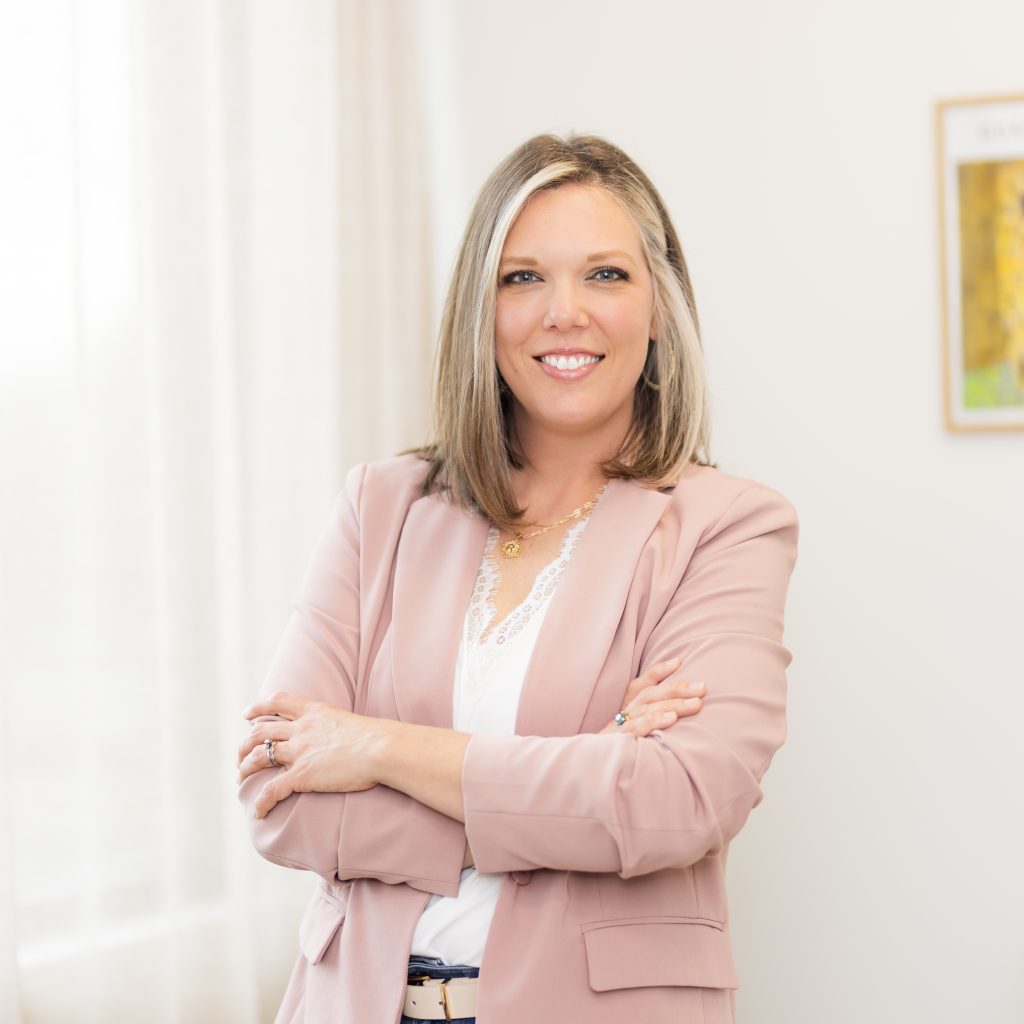
chelsea rhoden, ma, lpc
My main area of focus is trauma, and I also work with clients ages 13 and up who face a broad range of issues. I work to integrate spiritual, emotional, psychological, and physical aspects into the counseling process in order to help the whole person grow and heal.
I hold a Master of Arts in Biblical Counseling from Dallas Theological Seminary. I am EMDR Trained. I am a Certified Clinical Trauma Professional and am trained in Restoration Therapy, Level 1.
The trust between client and therapist is one of the most powerful components in the therapeutic process. I see the opportunity to build this trust as an honor, and I utilize an eclectic approach tailored to best help the individual. It is a privilege to navigate life’s challenges alongside my clients, and it would be a joy to serve you in this way.

ABIGAIL FONTENOT, MA, LPC ASSOCIATE
Supervised by Pam Cosart, LPC-S, MA, LCDC
Supervised by Pam Cosart, LPC-S, MA, LCDC
I believe that everyone has a unique, intricate and beautiful story that is waiting to be told. There are times when we just need a safe place that provides opportunities to understand the complexities, and experiences within our lives. Counseling can be that place! I enjoy working with people across the lifespan including early adolescence, teens and adults. My heart is with those suffering from the effects of traumatic experiences, struggling in relationships, dealing with depression, anxiety or disordered eating and those navigating sexual issues. Each one of us longs for wholeness, to be known and to find peace. Perhaps it’s in your current stress, unhelpful thoughts, or confusing feelings. Life contains an array of experiences which shape who we are. It can be overwhelming to make connections and find healthy rhythms for ourselves. If you are seeking healing for yourself through counseling, that is a courageous first step! Healing can happen when we take time to understand to our stories. I consider it an honor to sit with people as they learn to fully pay attention to themselves and honor their lives.
I employ counseling techniques from a biblically integrated perspective using approaches from person-centered therapy, existential therapy, and restoration therapy. I believe that the counseling relationship is essential to the therapeutic process. Walking alongside clients through their pain, and questioning is a privilege for me. I view my role to be partnering with clients on their healing journey and finding ways to encourage and facilitate personal growth. Allowing someone to weed through the brokenness with you is a commendable thing that is not to be taken lightly. I believe that learning to live life with God is what is most transformational. He is the source of contentment, comfort and light. Holding the hope that only He offers is what I love to do for clients who are seeking to take hold of that hope for themselves.
I hold a masters degree from Dallas Theological Seminary, and I am an LPC-Associate under supervision of Pam Cosart, LPC-S, MA, LCDC.

MARISA COCKRELL, MA, LPC - FOUNDER
I am passionate about working with individuals and couples, teens and adults who find themselves struggling with anxiety, depression, grief, and their sexuality or gender. I work to create an environment of connection and care, without judgement, where clients can come to a better understanding of themselves and how they relate to others. I believe the therapist and client work together as a team to find and process ways to better cope with the pain in one’s life.
I hold a Masters in Biblical Counseling from Dallas Theological Seminary. I am EMDR (Eye Movement Desensitization and Reprocessing) trained. I am certified as a facilitator with Prepare and Enrich and I am certified in Restoration Therapy, Level 1. I also have extensive training under Dr. Mark Yarhouse in navigating sexual and gender identity for people of faith and training in Narrative theory work with Dan Allender.
Together, we will explore and address current concerns, as well as work to discover how the coping skills client’s have developed since childhood are causing stumbling blocks for them today.

MELISSA RENEAU, MA, LPC
I enjoy working with individuals, couples, and teens who are experiencing transitions in their lives. I also work with individuals who are struggling with anxiety or depression. I have experience helping couples and individuals transition to parenthood. I work to create a nonjudgmental space where clients feel safe and supported so they can explore their lives. Together we can explore your current concerns and help you explore your next steps.
I am a Licensed Professional Counselor. I earned a Master of Arts in Clinical Mental Health Counseling from Liberty University. I am trained in EMDR, Eye Movement Desensitization and Reprocessing. I have completed the Emotionally Focused Couples Therapy (EFT) Externship. I am also certified as a facilitator with Prepare and Enrich.

TAYLOR GARCIA, MA, LPC
My experience in and out of the counseling office has lead me to find success in working with children, adolescents, parents, and women of all ages. My areas of interest include ADHD, anxiety, boundaries, family of origin issues, life transitions (specifically the transition into motherhood) and parenting. I approach counseling with the whole person in mind; treating mind, body, and spirit. I find it a great honor to be let into other people’s stories and witness their achievement in finding freedom and meaning in their lives.
I graduated with a Bachelors degree in Psychology from Texas A&M University and then received my Masters in Clinical Mental Health Counseling from Denver Seminary in Littleton, Colorado. Post graduation I have worked with clients of all backgrounds but especially enjoy those wanting to incorporate their Christian faith into the counseling process. I am fully trained in EMDR to help clients process trauma and am working towards my Perinatal Mental Health Certificate (PMHC) through Postpartum Support International.
“You can’t go back and change the beginning but you can start where you are and change the ending.”
– C.S. Lewis
The hope imbedded in the above quote is what I believe is at the heart of the therapeutic process.
Many of us have experienced loss, unmet needs or trauma in our childhood and while we can’t go back and change those things we can find agency today to be the person, partner, woman, or mother we want to be. I believe that the relationship between counselor and client is vital to the changes that clients make in their lives; therefore, I strive to create a warm, empathic, and honest working relationship.
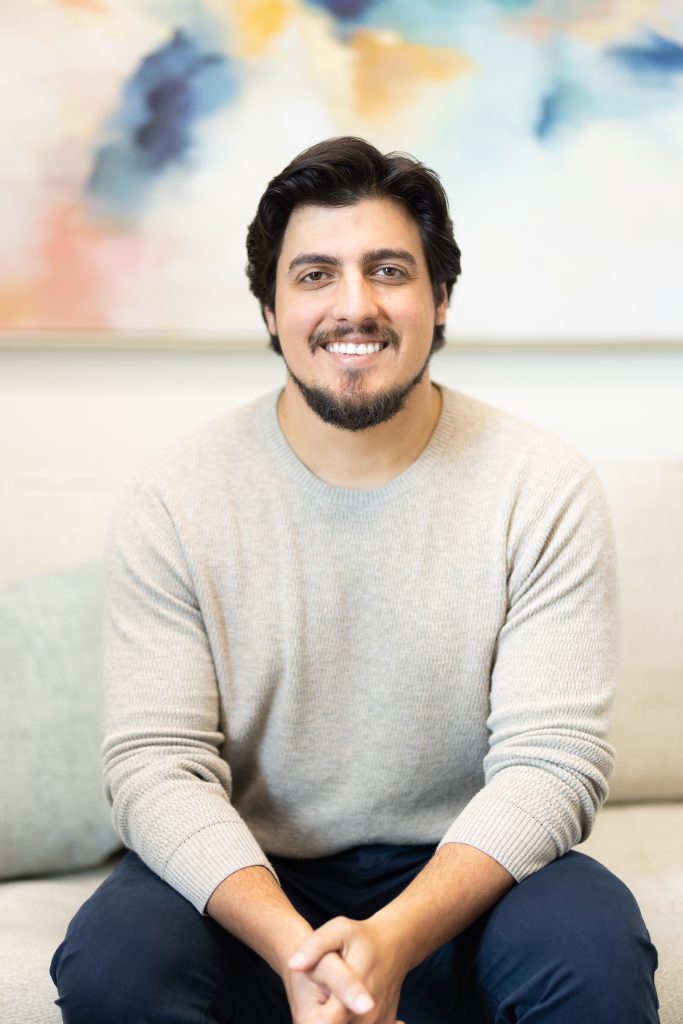
NATHAN BLATTMAN, MA, LPC
So many of us experience pain that leaves us feeling overwhelmed, confused, and alone. I desire for each of my clients to know that they are deeply cared for and do not have to carry their burdens alone. Through providing a space of genuine care and acceptance, I seek to help people make sense of their experiences and emotions. I am honored to journey alongside individuals, couples, adults and adolescents to help them better understand their pain and discover a path to peace.
It is my passion to work with those wrestling with anxiety, depression, addiction, and anger. For many people, these experiences are endured or pushed to the side as an inescapable part of life. My desire is to help people work through the things that often feel insurmountable and find peace on the other side.
I hold a Master of Arts in Counseling from Dallas Theological Seminary and a Bachelor of Science in Nutrition and Dietetics from Ouachita Baptist University, and I am Restoration Therapy Certified, Level 1. While I work predominantly from the framework of Restoration Therapy, I practice an eclectic range of therapy to best meet each individual’s needs and goals.
Chelsea is our complex trauma specialist — a Certified Clinical Trauma Professional — so she is usually who we suggest first. Marisa, Melissa, Taylor, and Nathan are EMDR trained and also work with trauma, so there is more than one door in. If a schedule does not fit or a person does not feel right, say so and we will help you land in the right place.
FREQUENTLY ASKED QUESTIONS ABOUT TRAUMA
WHAT’S THE DIFFERENCE BETWEEN PTSD AND COMPLEX TRAUMA?
PTSD typically follows a single overwhelming event and centers on re-experiencing it — flashbacks, nightmares, avoidance of reminders. Complex trauma, or C-PTSD, develops from repeated or prolonged harm, usually within relationships and often beginning in childhood. It shows up less as flashbacks and more as difficulty regulating emotion, a persistently negative self-concept, and recurring problems in close relationships. Both are treatable, but complex trauma generally requires longer work.
DO I HAVE TO TALK ABOUT WHAT HAPPENED IN DETAIL?
No. EMDR in particular works with how the memory is stored in the nervous system rather than requiring a narrative account. Many clients process significant material while saying very little out loud about the specifics.
HOW LONG DOES TRAUMA THERAPY TAKE?
Single-incident trauma sometimes resolves in six to twelve EMDR sessions. Complex trauma is longer — often a year or more — because the work isn’t processing one memory, it’s changing a pattern established over years. Your counselor will give you a realistic estimate after a few sessions, not before.
CAN CHILDHOOD TRAUMA CAUSE PROBLEMS THIS FAR INTO ADULTHOOD?
Yes, and this is one of the most common reasons people start therapy in their thirties and forties. Childhood trauma shapes the nervous system during the period when it’s developing, which means the effects show up not as memories but as defaults — how you read a room, how you handle conflict, how quickly you assume you’re in trouble. Those defaults are changeable, but they don’t change on their own with time.
IS EMDR SAFE IF I HAVE COMPLEX TRAUMA?
Yes, with appropriate preparation. Standard EMDR protocols are adapted for complex trauma, typically with a longer stabilization phase and more attention to pacing. This is exactly why trauma-specific training matters — an EMDR-trained clinician who understands complex trauma will structure the work differently than someone applying a standard protocol.
I DON’T THINK WHAT HAPPENED TO ME WAS BAD ENOUGH TO BE TRAUMA. SHOULD I STILL COME IN?
Yes. This is one of the most common things we hear, and comparing your experience against a hypothetical worse one is itself often a symptom of what happened. The question isn’t whether an event qualifies. The question is whether it’s still affecting you.
DO YOU WORK WITH TEENAGERS?
Yes. We work with clients ages 13 and up, and several of our counselors specialize in adolescents.