
Counseling for Women
You are the one everyone leans on. Who do you lean on?
Most of the women who come to us are competent. That is usually the problem. You are the one who remembers the appointments, absorbs the moods, notices what everyone needs before they ask. You are good at it. And somewhere along the way, being good at it became the whole arrangement — and nobody, including you, has asked in a long time how you are actually doing.
You do not need to be in crisis to come to therapy. “Nothing is technically wrong and I feel terrible” is a real reason, and it is one we hear constantly.
What Brings Women In
Being the one who holds everything.
The mental load, the invisible labor, the low hum of managing a household or a team or an aging parent. Exhaustion that sleep does not fix.
People-pleasing and the trouble with “no.”
Saying yes when you mean no, then resenting it. Feeling responsible for other people’s feelings. Struggling to name what you want without apologizing for wanting it.
Anger you do not have anywhere to put.
Women are often permitted sadness and not permitted anger, so it comes out sideways — as irritability, as tears, as a headache, as silence.
Anxiety that looks like competence.
Over-preparing, over-checking, rehearsing conversations, running the worst case in the background all day.
Identity after a role changes.
The children leave, the marriage ends, the job goes, the diagnosis lands, the parent dies. You were someone’s something, and now you are not sure who you are.
Your body, and being at war with it.
Weight, appetite, aging, illness, and the exhausting business of having a body that other people feel entitled to comment on.
The hormonal seasons nobody prepares you for.
PMDD, fertility treatment, perimenopause, menopause. Real physical changes that get dismissed as moodiness and are often mistaken for a personality problem.
Friendship and loneliness.
Adult friendship is hard to build and easy to lose. A lot of women are surrounded by people and still lonely.
Being a woman of faith.
Wrestling with what you were taught about submission, worth, purity, or your place — and wanting to hold onto your faith while you sort out which parts were God and which parts were somebody’s opinion.
How We Work
Most women can name the problem in a sentence and then apologize for taking up time with it. We would rather start one step to the side: with what you are good at, and what being good at it has cost you.
The things women get praised for — anticipating, absorbing, smoothing, keeping everyone steady — are rarely personality. More often they are a role that was handed to you early, at a point when accepting it made sense. It probably worked. It may have kept the house calm, or kept you out of trouble, or made you the easy one. What nobody mentions is that the role comes with no end date. Circumstances change and the job carries on, and years later you are worn down by something you cannot quite point at.
Much of our work is making that role visible — where it began, what it earned you, and what it is costing you now. Naming it is a vital first step. It stops being simply who you are, and becomes something you get a say in. It also allows you to decide what you want to do instead.
You will leave sessions with things you can use in the meantime: how to set boundaries, ways to add margin in your life, and healthy ways to process anger. But we are not here to make you better at enduring a life absent of joy. We want to look deeper, to understand the root of your distress, and to work to heal your story. This deeper work will be the change you are so desperate to see in your own heart, and it will impact the generations behind you.
If you are the one everyone relies on and cannot remember the last time you felt rested, this is worth reading: Overfunctioning: Why You Can’t Slow Down.
Therapy Modalities We Use
We use evidence-based and faith-informed therapeutic approaches, including:
Person-centered work: you are the authority on your own life. Our job is to create the conditions where you can hear yourself clearly, not to hand down a verdict.
Attachment-based therapy: how your earliest relationships taught you what to expect from people, and how that lesson keeps showing up in every relationship since.
Narrative therapy: separating you from the problem and examining the story you were handed about who you are and what you are for.
EMDR: for the experiences your body has not filed away as finished.
Restoration Therapy: naming the core pain underneath a reaction and practicing something different in the moment it matters, rather than analyzing it afterward.
Somatic work, grounding, and mindfulness: breathwork, nervous system regulation, and noticing what the body is doing before the mind catches up.
Cognitive Behavioral Therapy (CBT): the thought patterns and self-criticism running underneath the feeling, and whether they are actually accurate.
Faith, If You Want It
All of our counselors are Christian professional counselors. How much that shows up in the room is up to you — some clients want Scripture and prayer to be an explicit part of the work, others want a therapist who shares their faith and would rather spend the hour elsewhere. Both are welcome.
If part of what you are working through is your faith — what you were taught about being a woman, and which of it you still believe — that is not off limits here. It is one of the things we do most.
Are You Pregnant or Newly Postpartum?
That has its own page, its own specialist, and its own list of local resources. See Perinatal & Postpartum Therapy.
What to Expect in Sessions
Sessions are 50 minutes.
A first session is mostly us getting to know what you are carrying. You will not be asked to prove it is bad enough.
Practical tools alongside the deeper work — relief matters while the slower work is underway.
Honest conversation about whether medication is worth exploring. We are not prescribers, and we will say so plainly and help you find someone if it looks useful.
In person in Katy, or online anywhere in Texas.
Meet Our Counselors
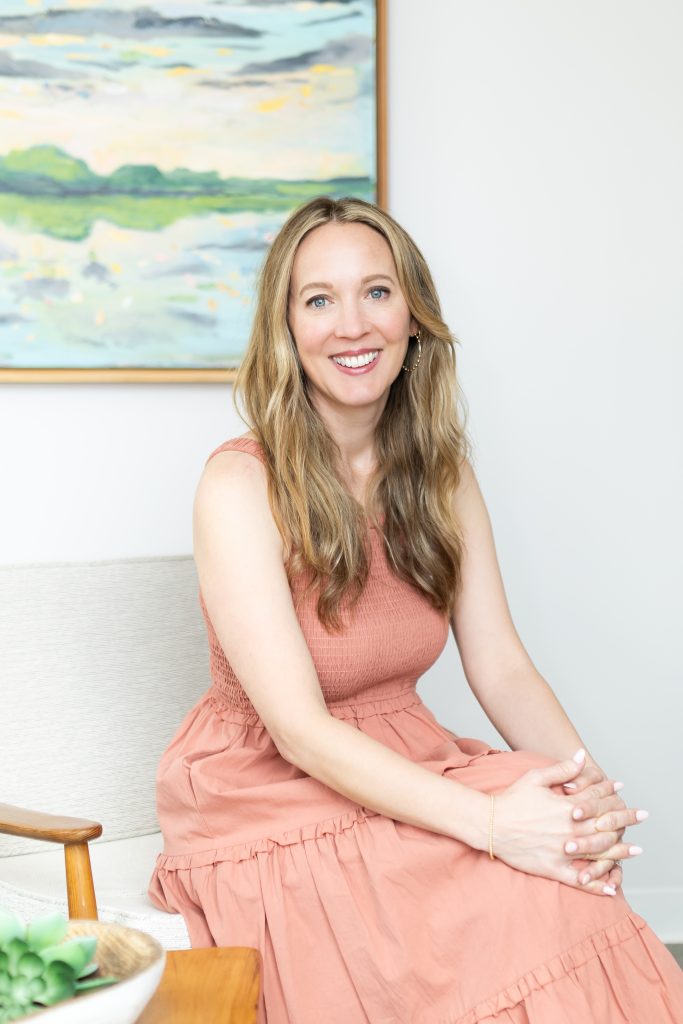
MARISA COCKRELL, MA, LPC - FOUNDER
I am passionate about working with individuals and couples, teens and adults who find themselves struggling with anxiety, depression, grief, and their sexuality or gender. I work to create an environment of connection and care, without judgement, where clients can come to a better understanding of themselves and how they relate to others. I believe the therapist and client work together as a team to find and process ways to better cope with the pain in one’s life.
I hold a Masters in Biblical Counseling from Dallas Theological Seminary. I am EMDR (Eye Movement Desensitization and Reprocessing) trained. I am certified as a facilitator with Prepare and Enrich and I am certified in Restoration Therapy, Level 1. I also have extensive training under Dr. Mark Yarhouse in navigating sexual and gender identity for people of faith and training in Narrative theory work with Dan Allender.
Together, we will explore and address current concerns, as well as work to discover how the coping skills client’s have developed since childhood are causing stumbling blocks for them today.
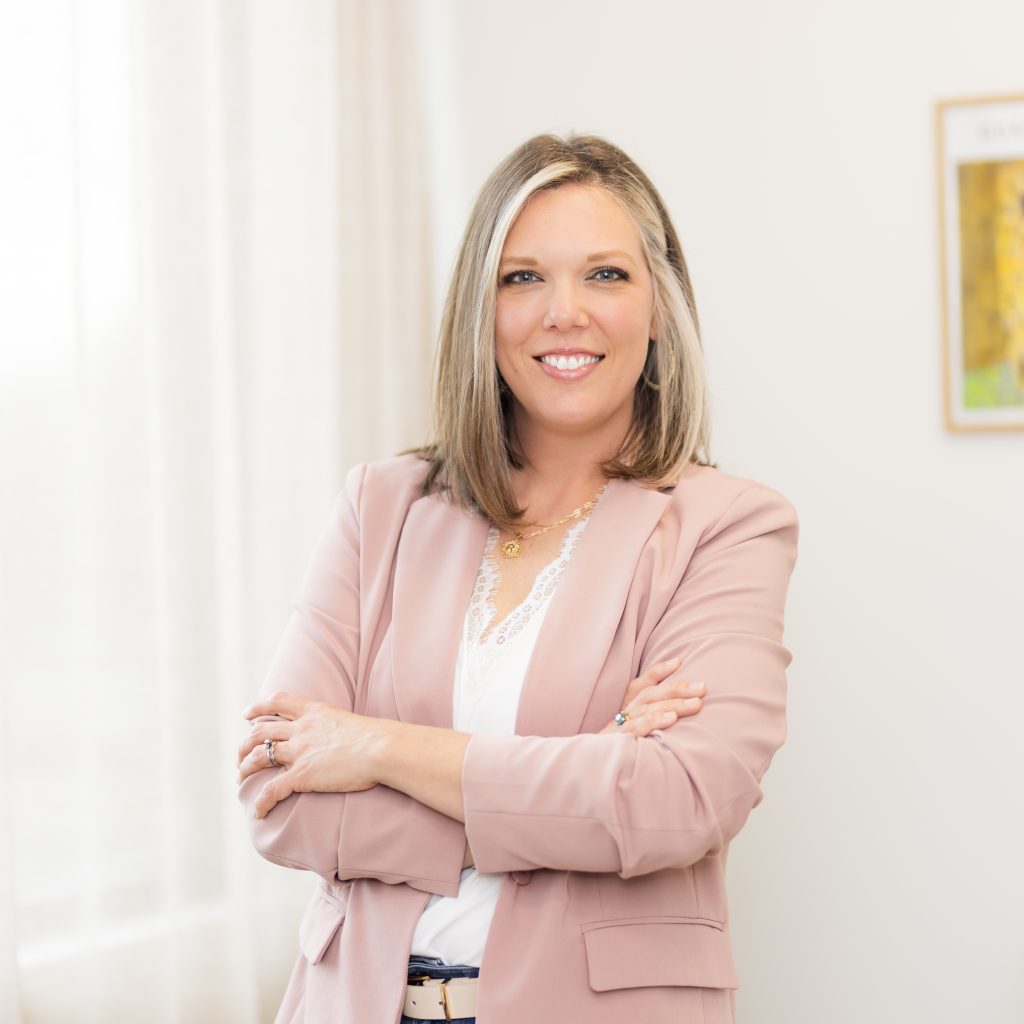
chelsea rhoden, ma, lpc
My main area of focus is trauma, and I also work with clients ages 13 and up who face a broad range of issues. I work to integrate spiritual, emotional, psychological, and physical aspects into the counseling process in order to help the whole person grow and heal.
I hold a Master of Arts in Biblical Counseling from Dallas Theological Seminary. I am EMDR Trained. I am a Certified Clinical Trauma Professional and am trained in Restoration Therapy, Level 1.
The trust between client and therapist is one of the most powerful components in the therapeutic process. I see the opportunity to build this trust as an honor, and I utilize an eclectic approach tailored to best help the individual. It is a privilege to navigate life’s challenges alongside my clients, and it would be a joy to serve you in this way.

ABIGAIL FONTENOT, MA, LPC ASSOCIATE
Supervised by Pam Cosart, LPC-S, MA, LCDC
Supervised by Pam Cosart, LPC-S, MA, LCDC
I believe that everyone has a unique, intricate and beautiful story that is waiting to be told. There are times when we just need a safe place that provides opportunities to understand the complexities, and experiences within our lives. Counseling can be that place! I enjoy working with people across the lifespan including early adolescence, teens and adults. My heart is with those suffering from the effects of traumatic experiences, struggling in relationships, dealing with depression, anxiety or disordered eating and those navigating sexual issues. Each one of us longs for wholeness, to be known and to find peace. Perhaps it’s in your current stress, unhelpful thoughts, or confusing feelings. Life contains an array of experiences which shape who we are. It can be overwhelming to make connections and find healthy rhythms for ourselves. If you are seeking healing for yourself through counseling, that is a courageous first step! Healing can happen when we take time to understand to our stories. I consider it an honor to sit with people as they learn to fully pay attention to themselves and honor their lives.
I employ counseling techniques from a biblically integrated perspective using approaches from person-centered therapy, existential therapy, and restoration therapy. I believe that the counseling relationship is essential to the therapeutic process. Walking alongside clients through their pain, and questioning is a privilege for me. I view my role to be partnering with clients on their healing journey and finding ways to encourage and facilitate personal growth. Allowing someone to weed through the brokenness with you is a commendable thing that is not to be taken lightly. I believe that learning to live life with God is what is most transformational. He is the source of contentment, comfort and light. Holding the hope that only He offers is what I love to do for clients who are seeking to take hold of that hope for themselves.
I hold a masters degree from Dallas Theological Seminary, and I am an LPC-Associate under supervision of Pam Cosart, LPC-S, MA, LCDC.

MELISSA RENEAU, MA, LPC
I enjoy working with individuals, couples, and teens who are experiencing transitions in their lives. I also work with individuals who are struggling with anxiety or depression. I have experience helping couples and individuals transition to parenthood. I work to create a nonjudgmental space where clients feel safe and supported so they can explore their lives. Together we can explore your current concerns and help you explore your next steps.
I am a Licensed Professional Counselor. I earned a Master of Arts in Clinical Mental Health Counseling from Liberty University. I am trained in EMDR, Eye Movement Desensitization and Reprocessing. I have completed the Emotionally Focused Couples Therapy (EFT) Externship. I am also certified as a facilitator with Prepare and Enrich.

TAYLOR GARCIA, MA, LPC
My experience in and out of the counseling office has lead me to find success in working with children, adolescents, parents, and women of all ages. My areas of interest include ADHD, anxiety, boundaries, family of origin issues, life transitions (specifically the transition into motherhood) and parenting. I approach counseling with the whole person in mind; treating mind, body, and spirit. I find it a great honor to be let into other people’s stories and witness their achievement in finding freedom and meaning in their lives.
I graduated with a Bachelors degree in Psychology from Texas A&M University and then received my Masters in Clinical Mental Health Counseling from Denver Seminary in Littleton, Colorado. Post graduation I have worked with clients of all backgrounds but especially enjoy those wanting to incorporate their Christian faith into the counseling process. I am fully trained in EMDR to help clients process trauma and am working towards my Perinatal Mental Health Certificate (PMHC) through Postpartum Support International.
“You can’t go back and change the beginning but you can start where you are and change the ending.”
– C.S. Lewis
The hope imbedded in the above quote is what I believe is at the heart of the therapeutic process.
Many of us have experienced loss, unmet needs or trauma in our childhood and while we can’t go back and change those things we can find agency today to be the person, partner, woman, or mother we want to be. I believe that the relationship between counselor and client is vital to the changes that clients make in their lives; therefore, I strive to create a warm, empathic, and honest working relationship.
All five of the women on our team feel honored to work with women in any stage of life. If you are not sure who to ask for, tell us what is going on when you reach out and we will help you choose.
FREQUENTLY ASKED QUESTIONS ABOUT COUNSELING FOR WOMEN
DO I NEED TO BE IN CRISIS TO COME?
No, and most women here are not. “I am functioning fine and I feel hollow” is a reason. So is “I want to understand why I keep doing this.”
I DO NOT HAVE ANYTHING THAT BAD TO COMPLAIN ABOUT.
That sentence comes up in almost every first session. Therapy is not a competition for who has suffered most, and minimizing is usually part of what you learned rather than an accurate read on your life.
WILL YOU TELL ME TO LEAVE MY HUSBAND, QUIT MY JOB, OR CUT OFF MY MOTHER?
No. We are not in the business of deciding your life for you. The work is helping you get clear enough to decide it yourself.
DO YOU WORK WITH WOMEN WHO AREN’T CHRISTIANS?
Yes. Faith is part of how we understand healing, and it is never a condition of being helped.
I TRIED THERAPY BEFORE AND IT DID NOT HELP.
Worth telling us early — what it was, what did not work, and what you wished had happened instead. That is useful information rather than a bad sign.